What are the opening hours of Manu National Park?
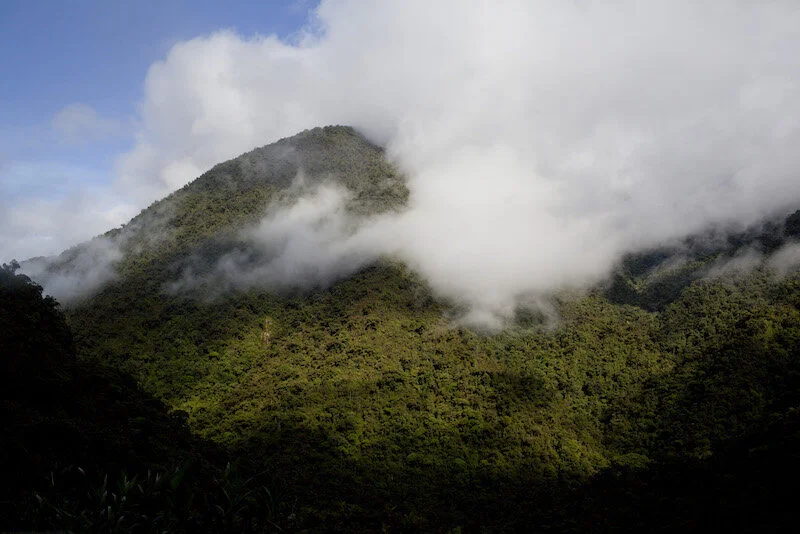
The park territory itself is accessible 00:00–23:59 every day of the year, as it is an open wilderness spanning provinces of Paucartambo (Cusco) and Manu (Madre de Dios). Practical access is governed by tour-operator schedules; most Manu national park tours depart Cusco between 04:00 and 05:00 to reach key wildlife sites during the optimal 05:30–08:00 morning window.
How much does it cost to enter Manu National Park?
The entrance fee for the Manu River lower basin sector is 150 PEN per person, valid for 5 days. The Acjanaco cloud-forest sector carries a separate fee of S/. 10. Licensed tour operators typically purchase these permits on behalf of guests and include them in the package price — confirm this when booking.
What is the best time to visit Manu National Park for wildlife?
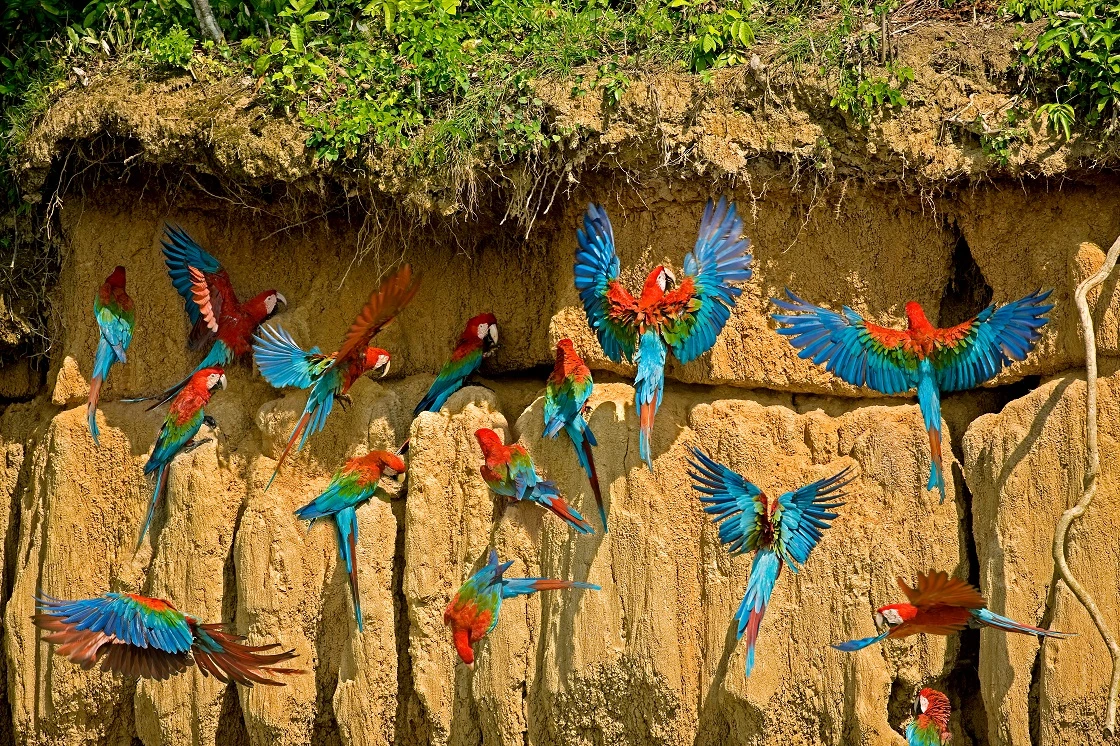
The dry season from May to October is the most productive period for spotting mammals and birds at clay licks and oxbow lakes, when lower river levels concentrate wildlife on exposed sandbanks. June through August sits in the peak window; macaw activity at Blanquillo clay lick is highest during August to October, with somewhat reduced activity in May and June.
Do I need a guided tour to visit the Manu National Park Reserved Zone?
Yes. Entry into the Reserved Zone of this UNESCO World Heritage park requires a permit that can only be arranged through one of the SERNANP-licensed tour operators. Independent entry into the core zone is not permitted; all visitors must be accompanied by an authorised guide.
What should I pack for a Manu National Park tour?
Essentials include a valid passport and entry permit, yellow fever vaccination certificate, DEET insect repellent (30–50%), dry bags, a headlamp with spare batteries, binoculars, personal first-aid kit with malaria prophylaxis, and sufficient cash in Peruvian soles — there are no ATMs inside the park.
Is Manu National Park accessible for visitors with limited mobility?
The park is a remote jungle wilderness with no purpose-built accessibility infrastructure; internal trails are uneven and often muddy. Boat-based itineraries along the Manu and Madre de Dios rivers are the most accessible option for visitors with limited mobility, and operators can tailor routes when advised of requirements in advance.
Can I take photographs in the Peruvian Amazon biosphere reserve?
Photography for personal use is freely permitted throughout the Parque Nacional del Manu. Flash photography is prohibited near nesting birds and during guided night walks. Commercial filming and drone operations require prior written authorisation from SERNANP — apply through sernanp.gob.pe well ahead of your visit.
What food and drink options are available inside the park?
All meals on licensed tours are provided by the operator and are included in package prices; menus feature Peruvian cuisine and fresh jungle produce. There are no shops, restaurants, or ATMs inside the park, so carry all cash and personal snacks from Cusco or Paucartambo before entry.
What is the cancellation policy for Manu National Park tickets and tours?
Most operators require written cancellation at least 30 days before departure for a full package refund, excluding the non-refundable 150 PEN park entrance fee per person. Cancellations within 30 days typically result in partial or full loss of deposit; specific terms vary by operator and should be confirmed in writing at the time of booking.
How do I get to Manu National Park from Cusco?
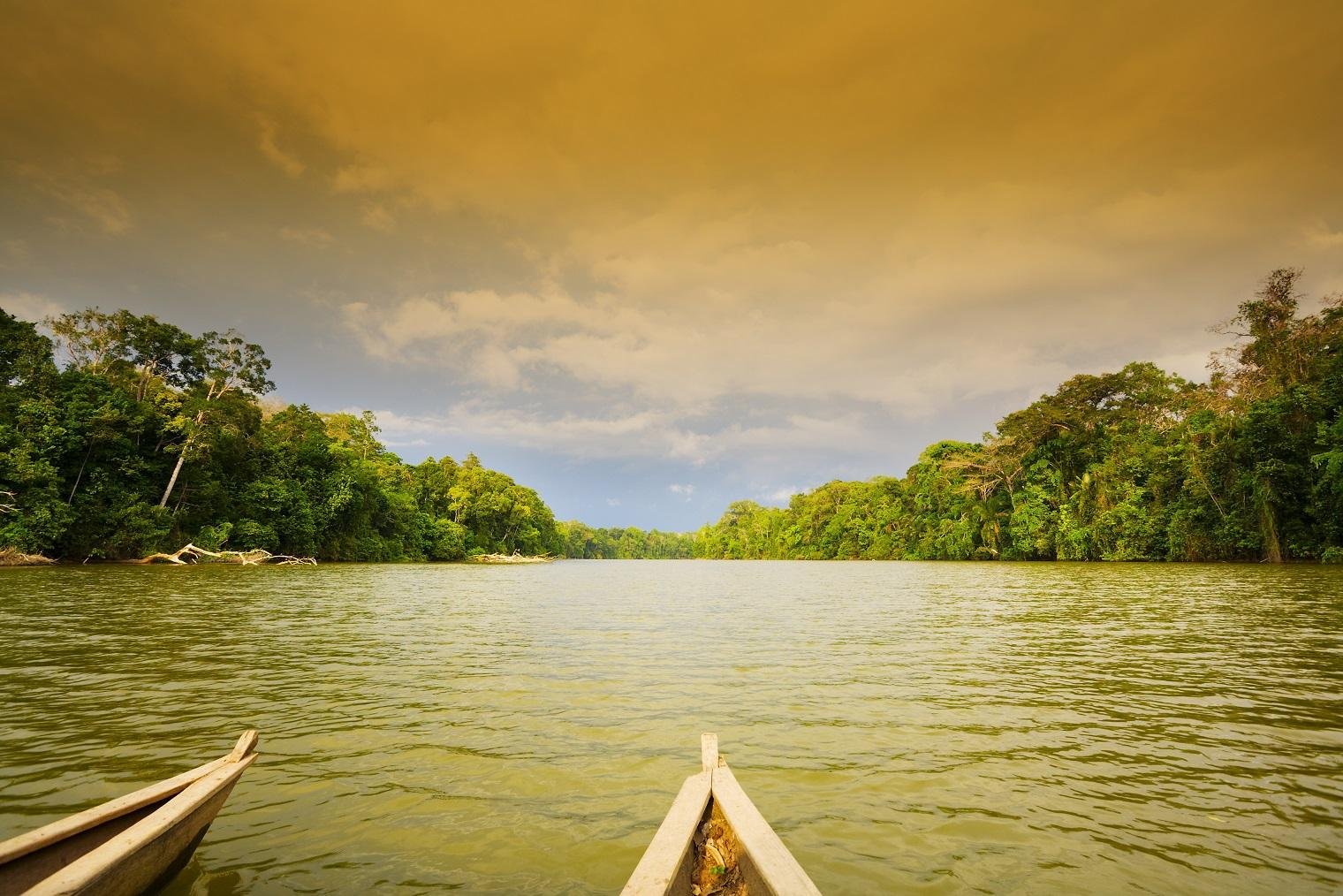
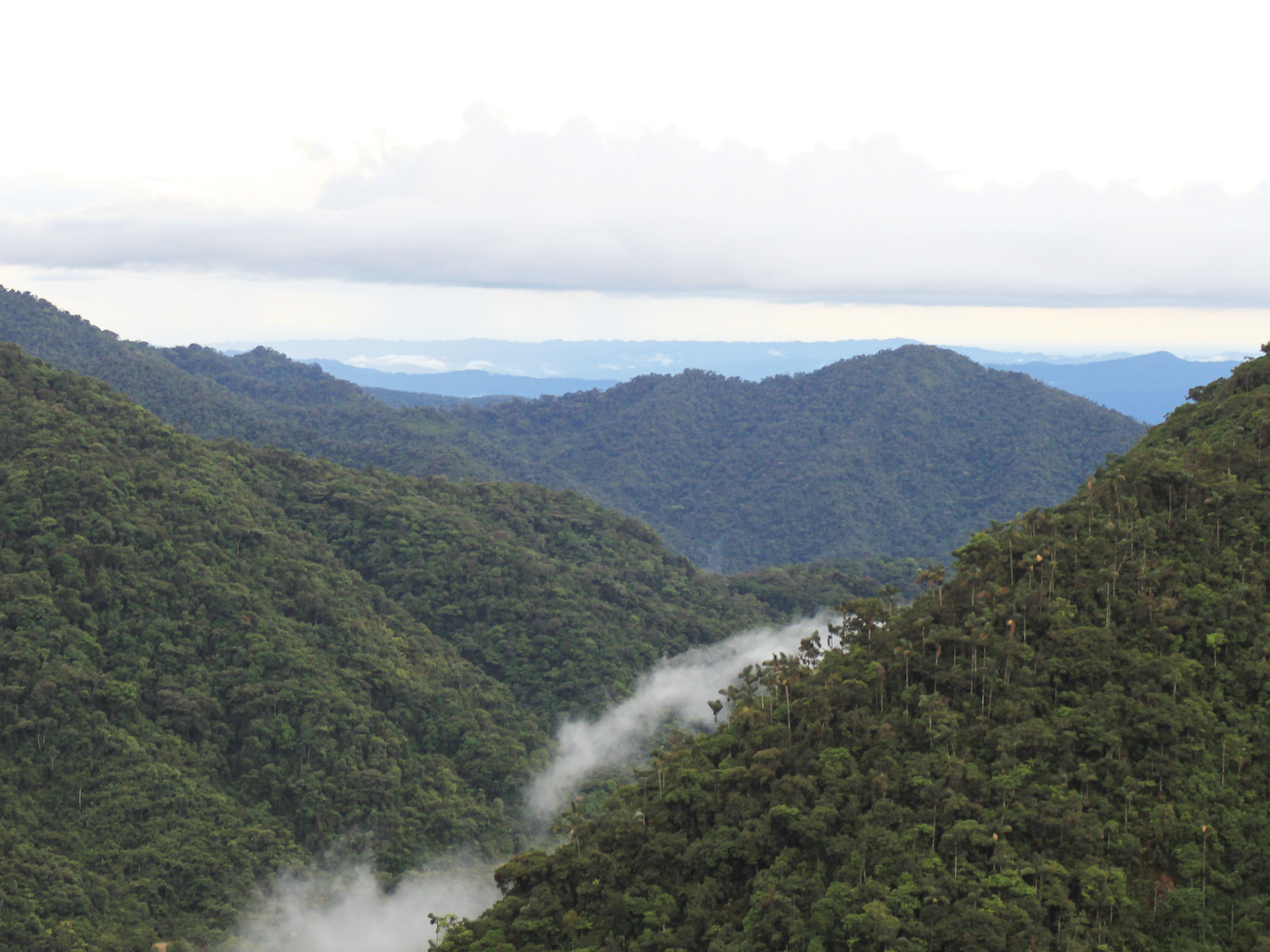
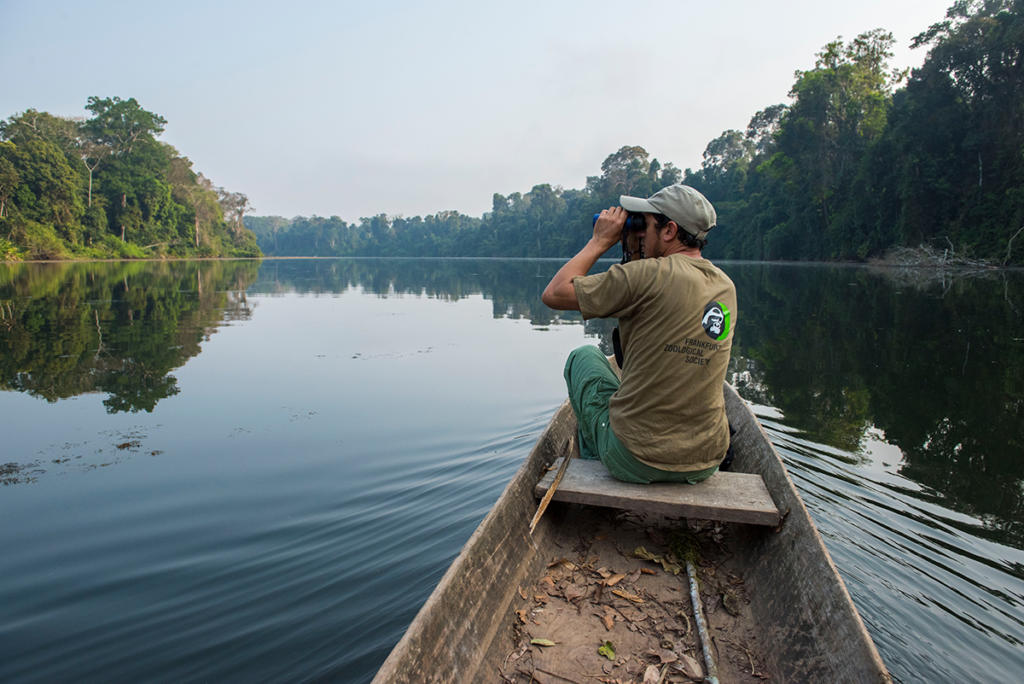
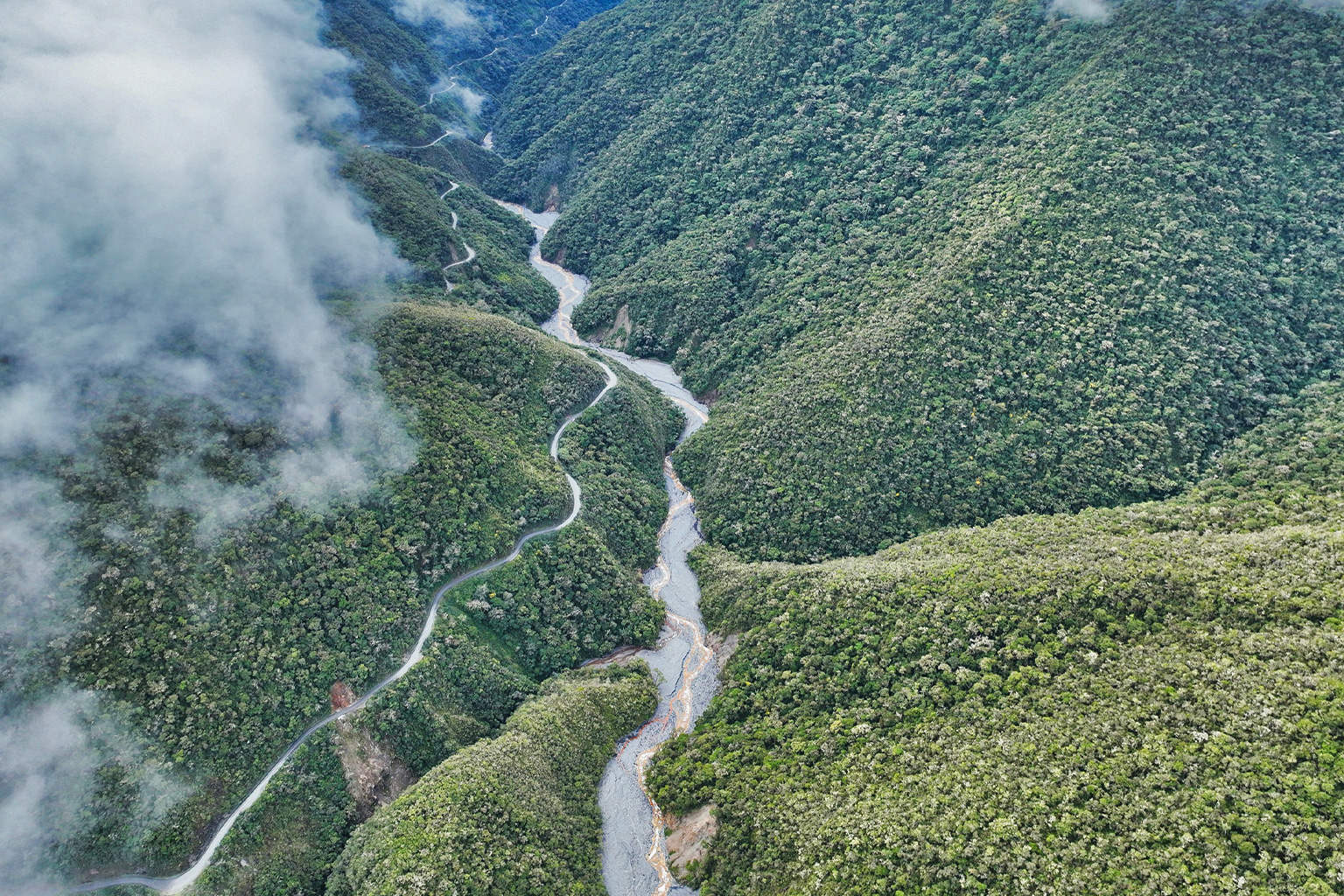
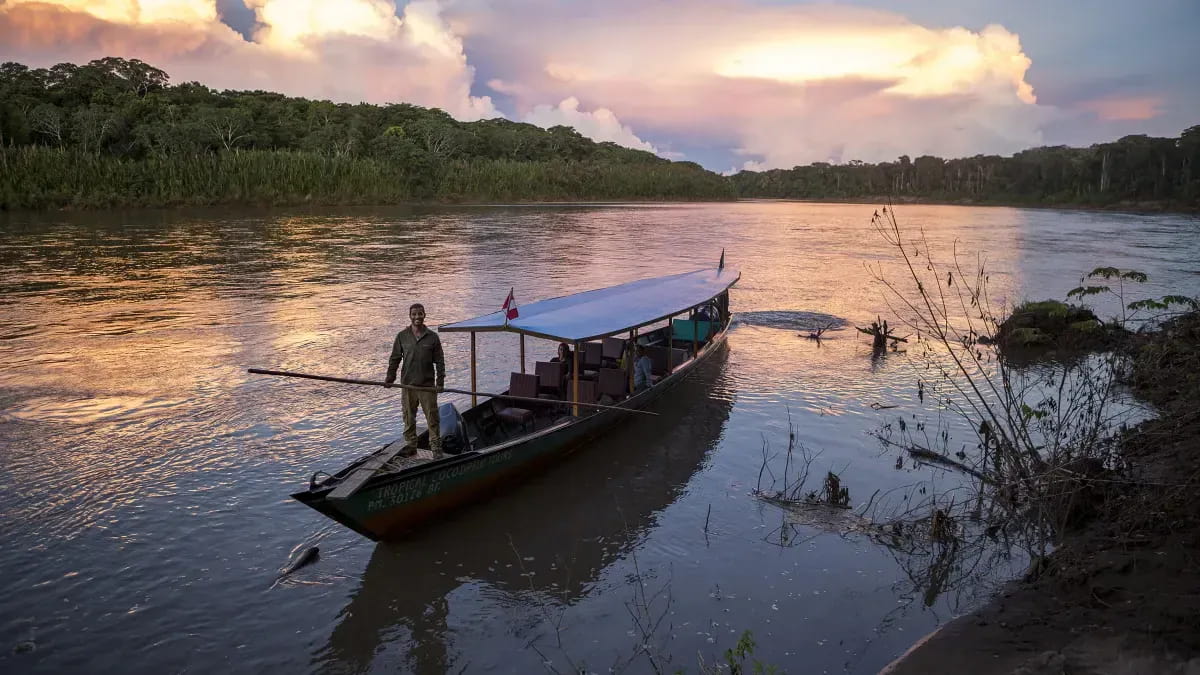
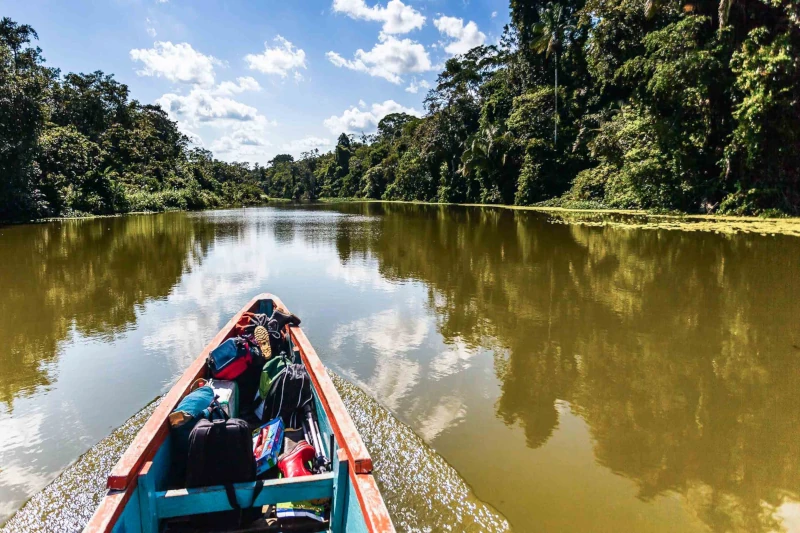
The standard route from Cusco combines 8–12 hours of road travel via Paucartambo and the Acjanaco Pass with a motorised canoe journey along the Alto Madre de Dios and Manu rivers to reach the Reserved Zone. Charter flights from Cusco to Boca Manu airstrip reduce travel time to about 40 minutes for the aerial leg. Most visitors arrange transport through their licensed manu national park tour operator.
Is this Peruvian Amazon national park suitable for families with children?
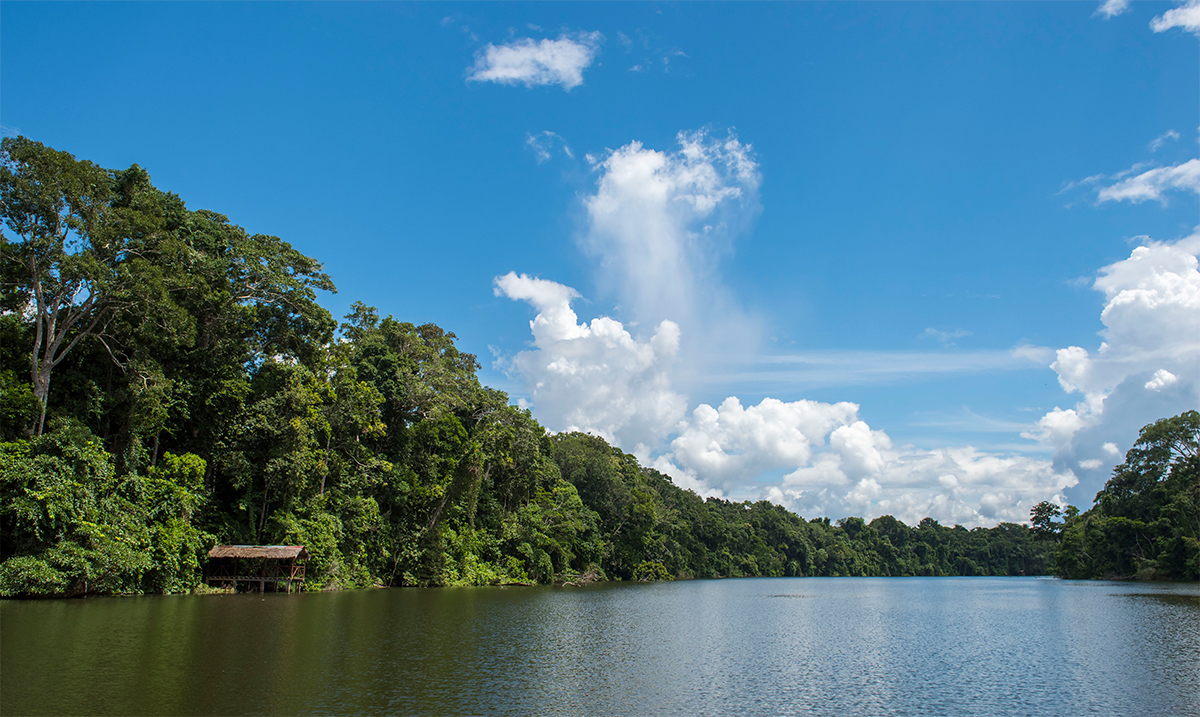
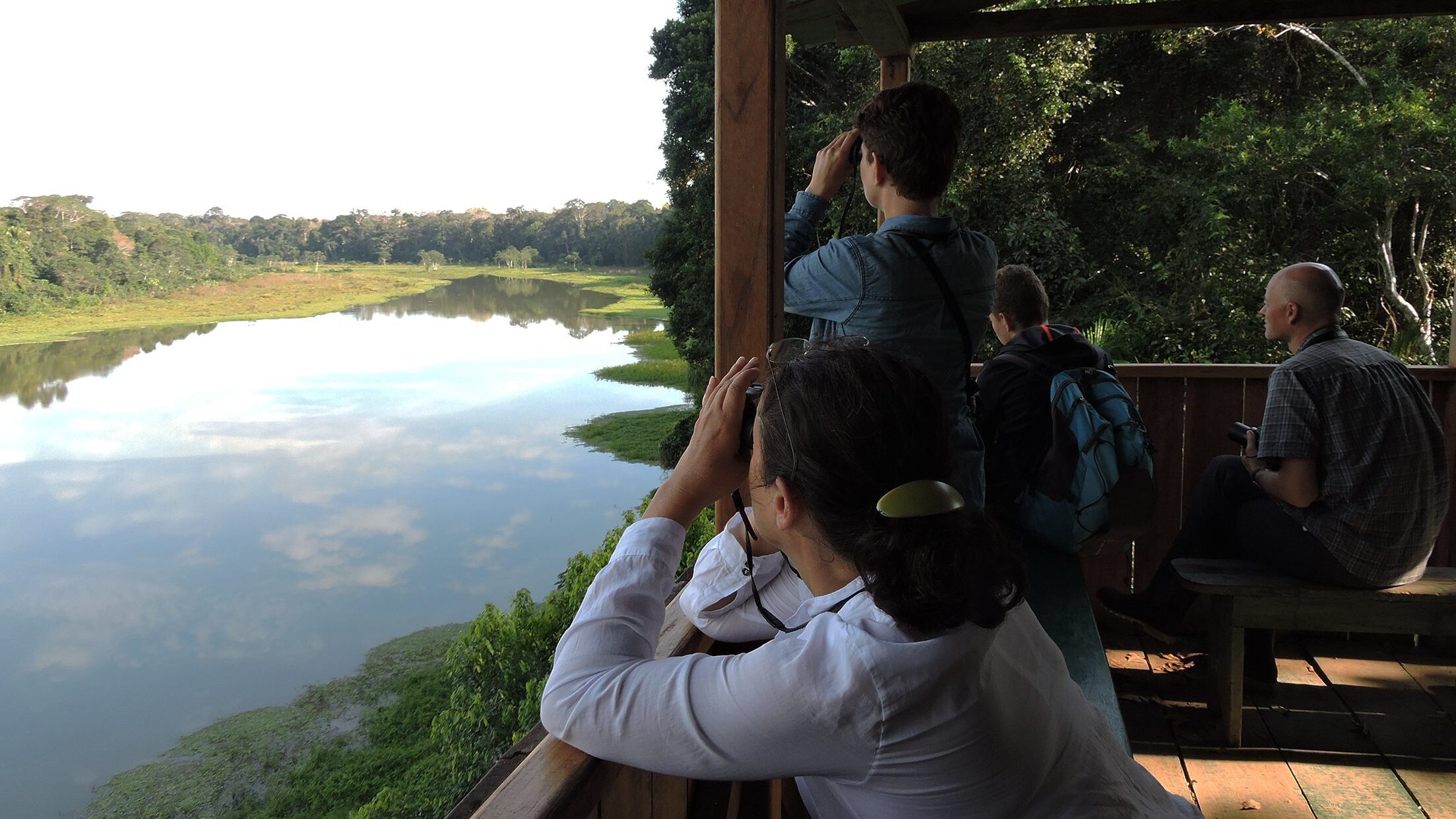
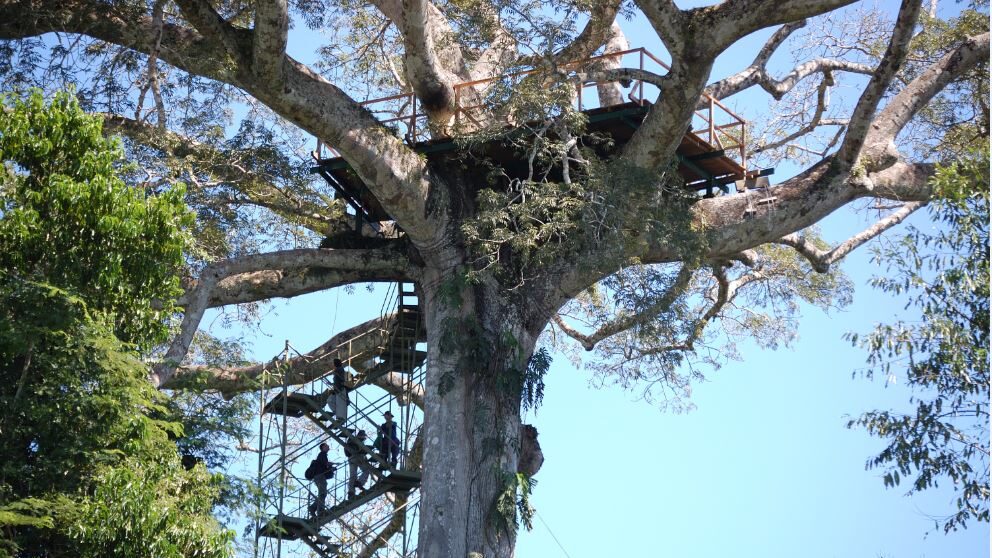
Families with children aged eight and above are generally well catered for on cultural-zone and lower-basin itineraries. Activities such as dawn wildlife-watching from floating catamarans at Cocha Salvador and observing the Blanquillo macaw clay lick from fixed platforms involve no strenuous hiking. Operators set varying minimum age limits for the full reserved-zone expedition; confirm before booking.
What wildlife can I expect to see on a Manu biodiversity reserve expedition?
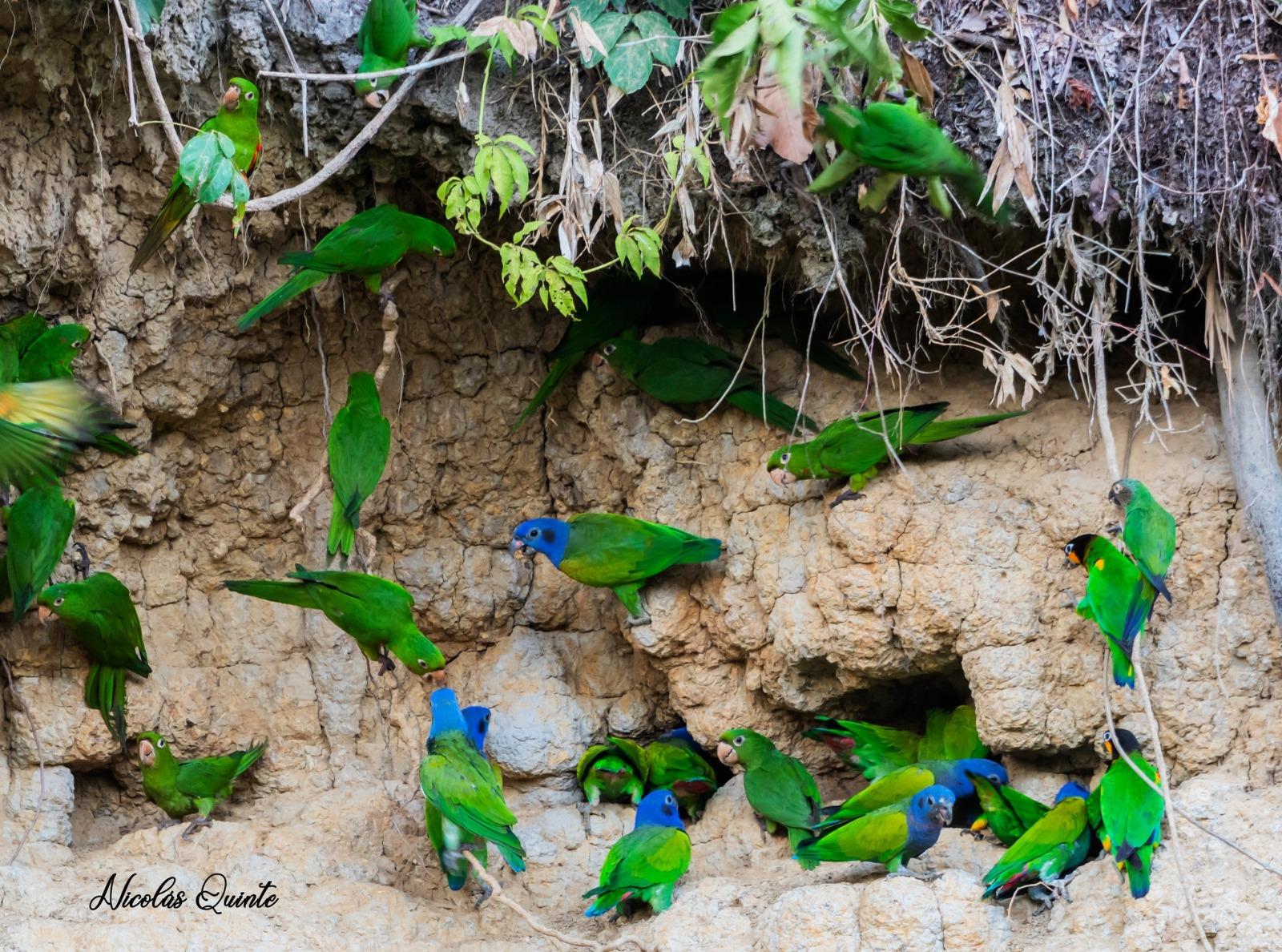
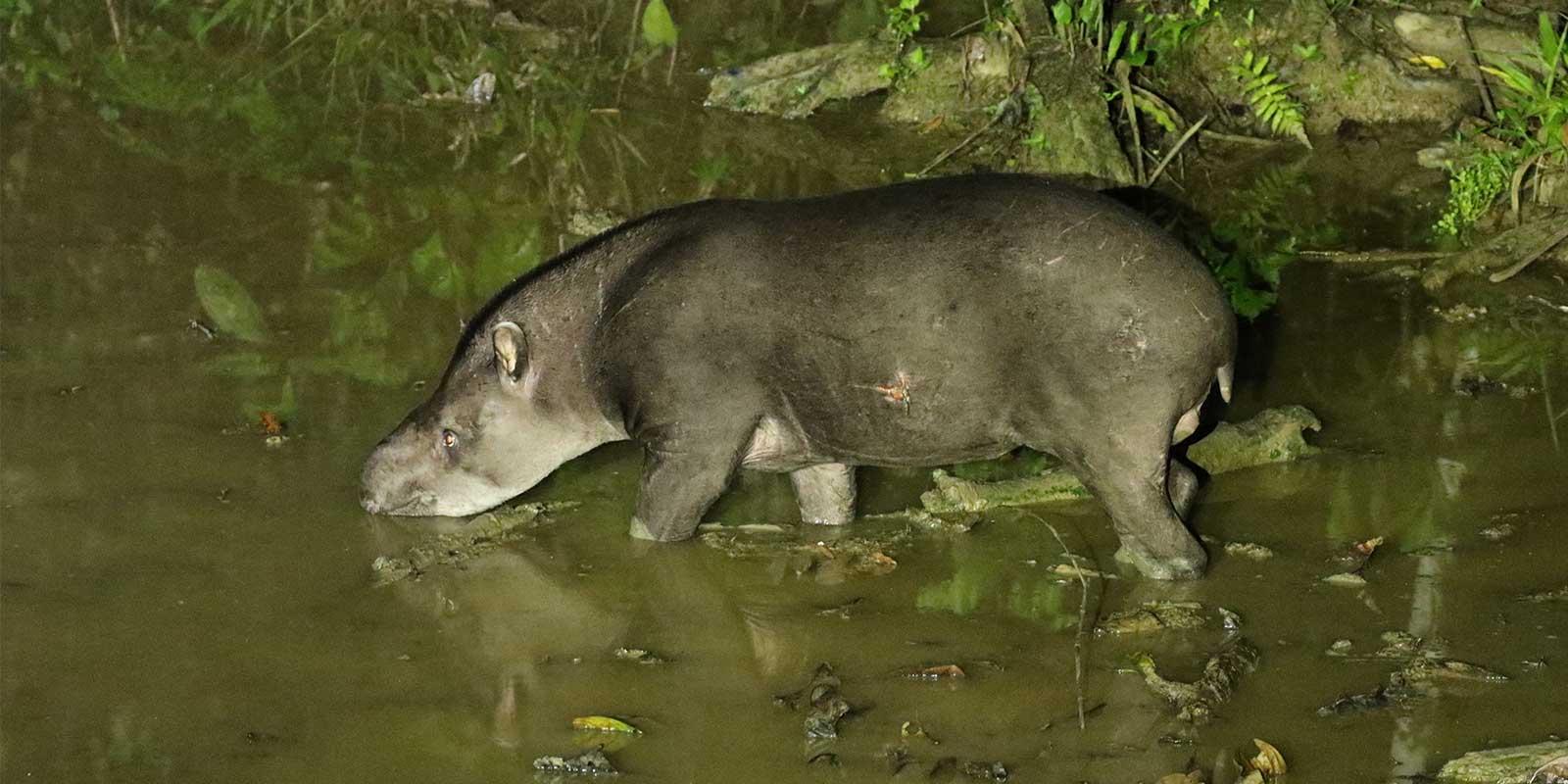
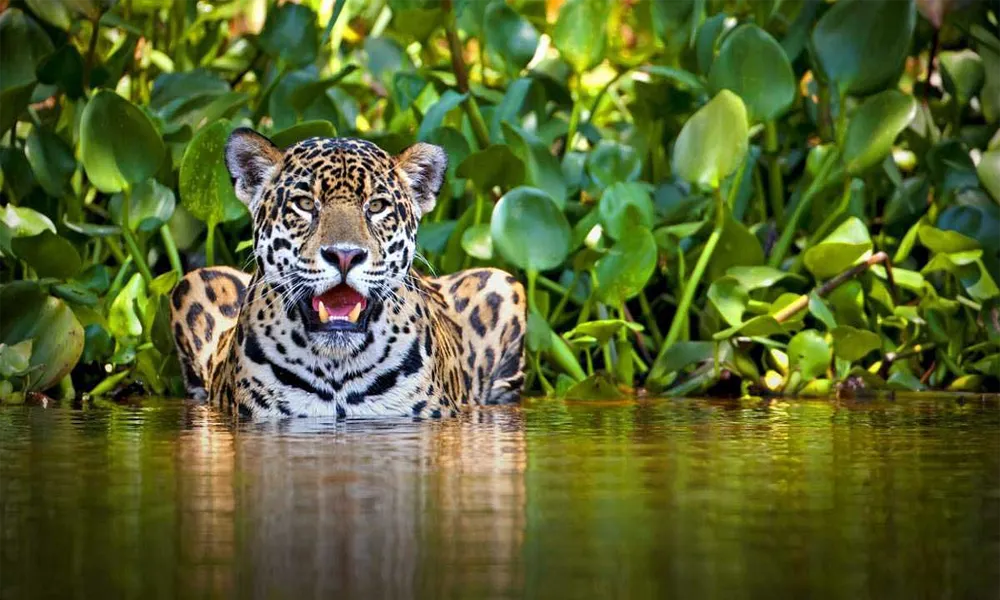
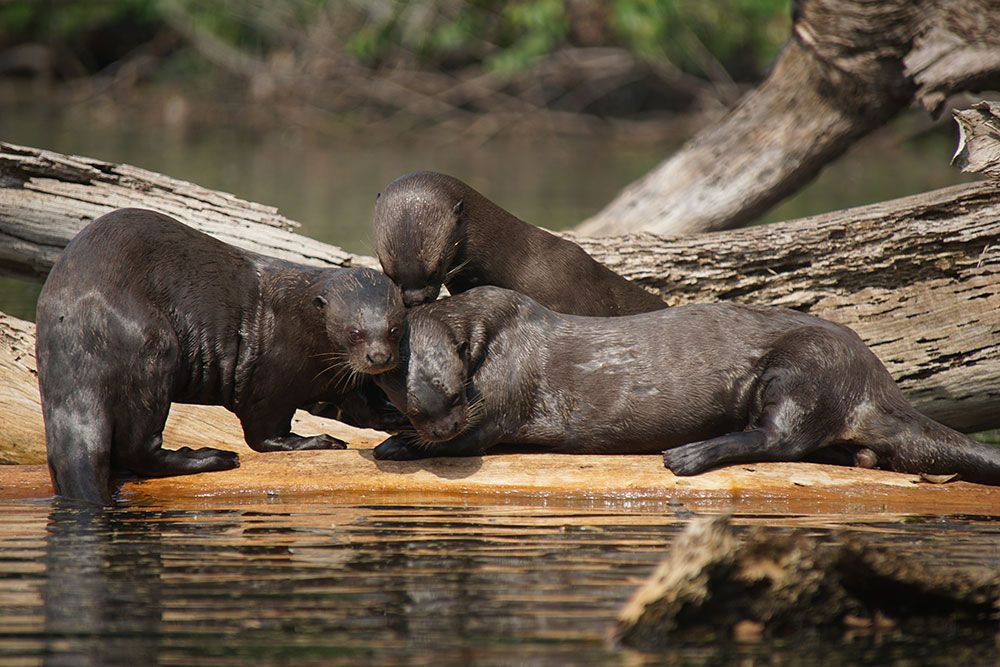
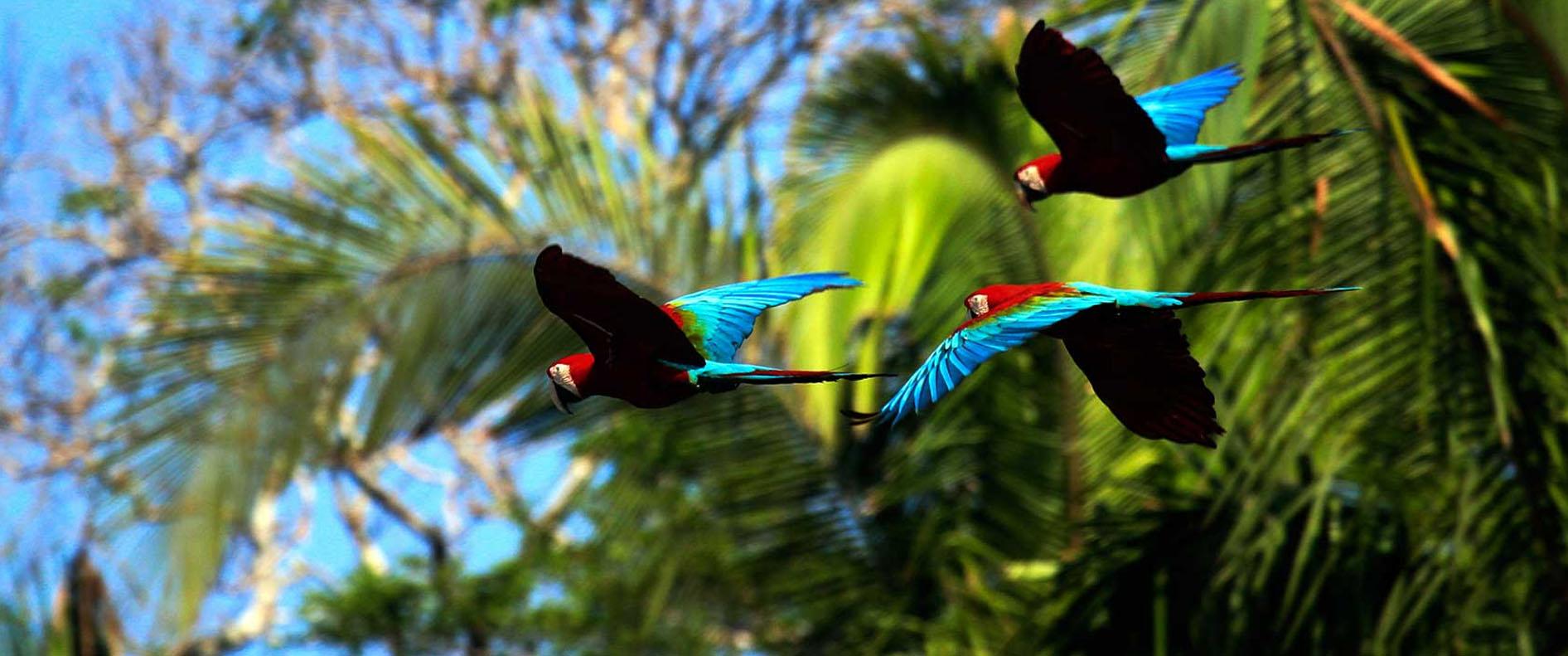
The park holds over 1,000 bird species (approximately 10% of the world's total), 228 mammal species, and 287 recorded reptile and amphibian species — the highest count for any protected area globally. Signature sightings include giant river otters at Cocha Salvador, scarlet and red-and-green macaws at Blanquillo clay lick, Brazilian tapirs at nocturnal mammal clay licks, black caimans, and 13 primate species including the emperor tamarin.

 72 hr
72 hr